Ikuwo General Enterprises
Rukwa
Grew its bean trade from 1,000 tonnes (2017) to 5,000 tonnes (2022), now reaching about 12,000 farmers and exporting to five neighbouring countries.
Accelerated Variety Turnover for Open-Pollinated Crops in Tanzania (ACCELERATE) is a four-year project (2023–2026) building a scalable, demand-led model that speeds the adoption of new, higher-yielding crop varieties across Tanzania’s sorghum, common bean, and groundnut value chains.

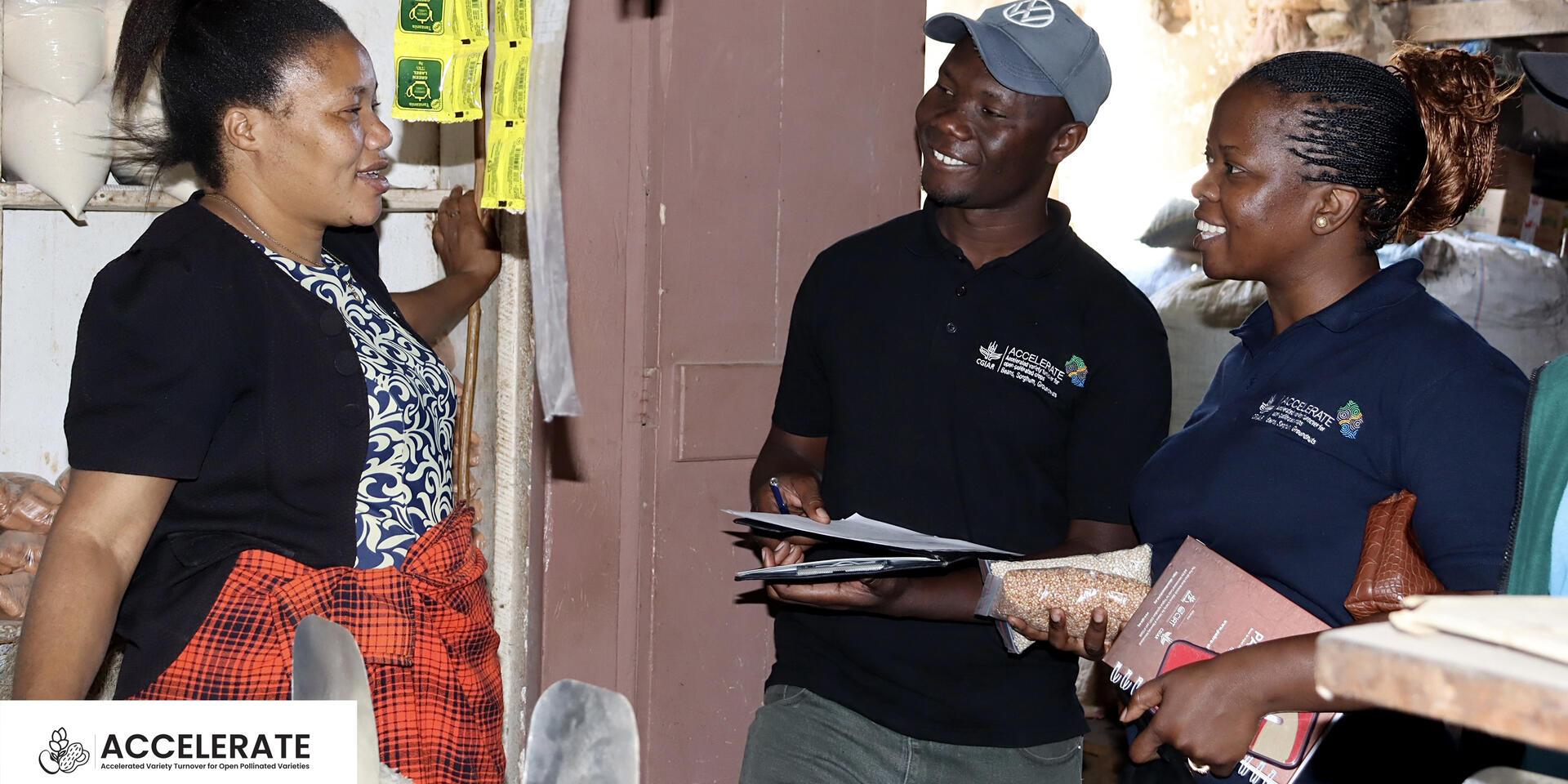
Across Tanzania, most smallholder farmers still grow old, low-yielding varieties that are increasingly vulnerable to drought and climate stress. Adoption of improved open-pollinated varieties (OPVs) remains low — held back by a lack of product information, limited promotion, poor access to early-generation seed, thin data to guide decisions, and a weak seed supply system.
The formal seed sector meets only about 3% of farmers’ planting requirements. The rest comes from informal channels, which keeps better genetics from reaching the field.
ACCELERATE flips the usual model. Rather than pushing seed toward farmers, it starts with the sources of demand — the grain traders, aggregators, processors, and institutional buyers who already move crops through the market — and links them to formal, semi-formal, and informal seed producers. When demand pulls quality seed through the value chain, varietal turnover accelerates on its own.
Better information to and from large traders, grain producers, and seed producers builds real demand for quality seed.
Engaging the traders who buy and sell grain every day turns the marketplace into an engine for adoption.
When institutional buyers know about — and can access — improved varieties, turnover speeds up and farmer incomes and nutrition rise.
ACCELERATE focuses on three priority value chains, each with newly released, higher-yielding varieties:
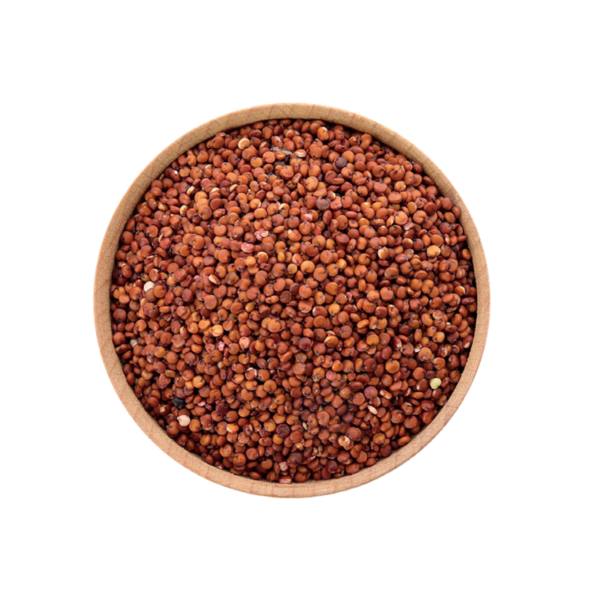
A drought-tolerant staple crop central to food security across Africa, with a growing network of certified seed producers and agro-dealer distributors along formal value chains.
Key varieties: TARI SOR 1, TARI SOR 2
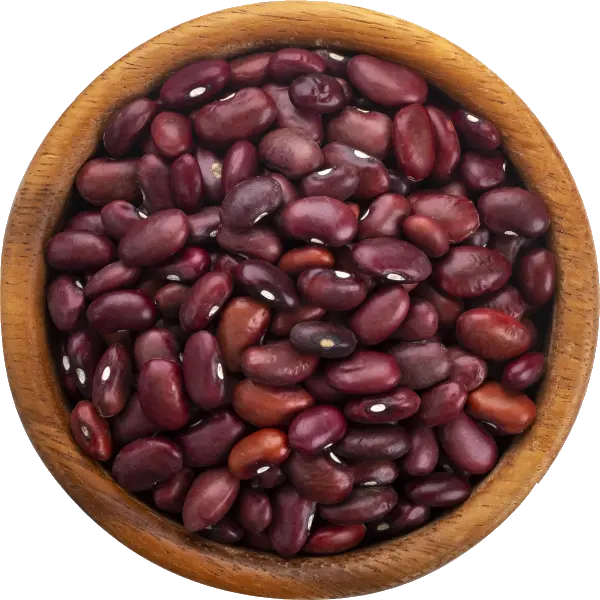
One of Africa’s most widely traded legumes, linking smallholder producers to regional cooperatives, offtakers, and institutional buyers across multiple market segments.
Key varieties: TARI Bean 2–6, Uyole 16/18, Selian 13, Calima Uyole

A high-value oil crop connecting seed companies, processors, and export-oriented agribusinesses within an expanding African seed-system value chain.
Key varieties: Naliendele 2016, Narinut 2015, Tanzanut 2016, TARIKA 1 & 2

ACCELERATE, the project this registry began under, is funded by the Bill & Melinda Gates Foundation and delivered by a coalition of research and seed-system institutions.





Across Tanzania, ACCELERATE works through real seed-system enterprises:
Rukwa
Grew its bean trade from 1,000 tonnes (2017) to 5,000 tonnes (2022), now reaching about 12,000 farmers and exporting to five neighbouring countries.
Dodoma
Supports 7,850 farmers with contract farming for sorghum and groundnut, providing seed on credit and guaranteed purchase.
Katavi
Scaled groundnut sourcing from 15 to 113.5 tonnes in a single season while building dedicated seed-multiplication capacity.
Geita
Trains farmers in Quality Declared Seed production and supplies bio-fortified varieties into school nutrition programs.
The Pan-Africa Bean Research Alliance (PABRA) is a partnership of stakeholders in more than 30 countries across Africa working on the research and development of common beans — an important food legume that contributes to food and nutrition security, generates income and strengthens production systems across sub-Saharan Africa.
This registry began under ACCELERATE, a project funded by the Bill & Melinda Gates Foundation, and is now a PABRA product — a single, trusted map of the seed companies, cooperatives, offtakers, research institutes, and traders that make up Africa’s seed systems. It helps institutions find the right actors quickly, understand who operates where, and strengthen the value chains that move improved varieties from lab to field.